
• logo


logo

Timely and Inspiring Prophetic Analysis so you can Prepare.


  • Home
  • Monthly Messages
    • Pastor Mayer
    • Pastor Nelson
    • 2025
    • 2024
    • 2023
    • 2022
    • 2021
    • 2020
    • 2019
    • 2018
    • 2017
    • 2016
    • 2015
    • 2014
    • 2013
    • 2012
    • 2011
    • 2010
    • 2009
    • 2008
    • 2007
    • 2006
    • 2005
    • 2004
    • 2003
    • 2002
    • 2001
    • 2000
    • 1999
    • 1998
  • Briefings
    • Prophetic Intelligence
    • Nature Knows Best
    • Prophetically Speaking
    • Articles of interest
  • Events
  • Videos
    • KTF News
    • KTF Live
    • Interviews
    • Sermons
    • Promo Video
  • Store
  • Make a Gift
  • Slider Image 1
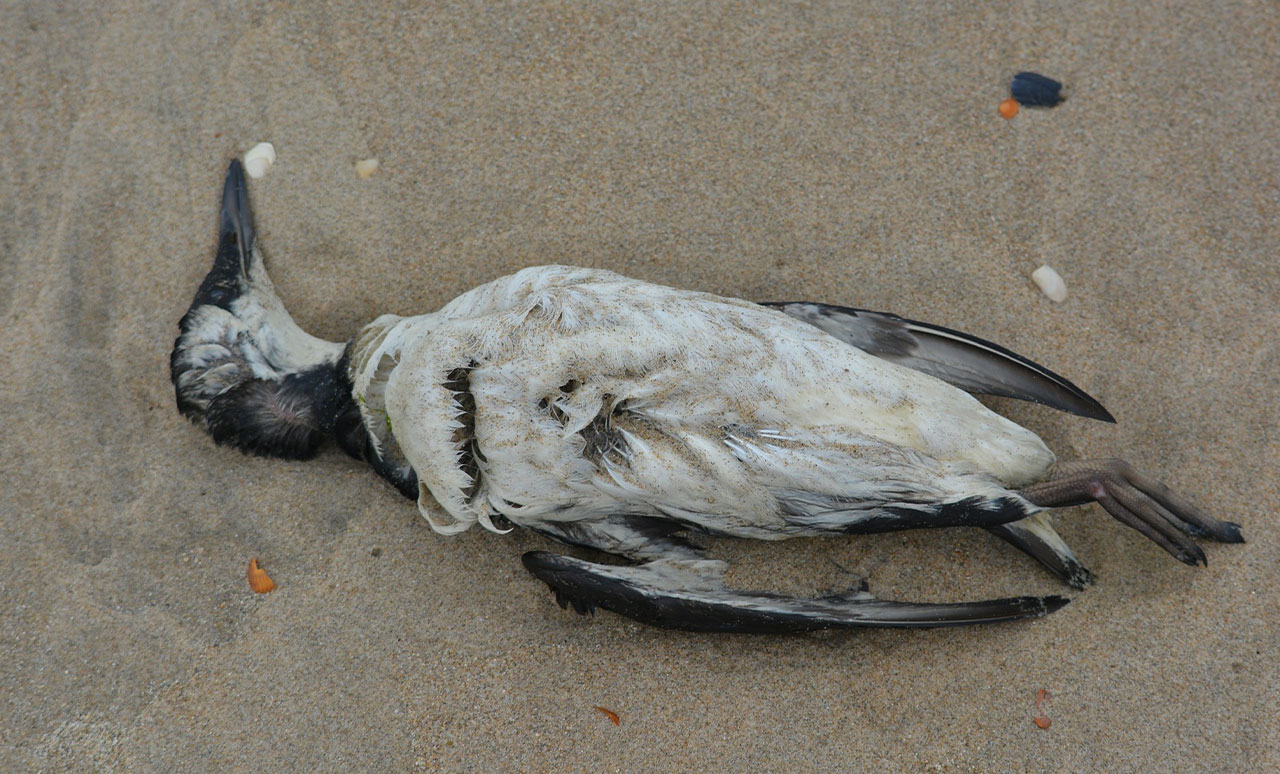
  • Image: Ben_Kerckx from pixabay.com
loading...
  • Post
  • Similar Posts
  • Post Icon
  • author
  • Pastor Hal Mayer

    Speaker / Director

Mass infections in wild birds pose a significant risk to vulnerable species, are hard to contain and increase the opportunity for the virus to spill over into people.

Monday May 30th, 2022
Print This Post Print This Post

Nature, by Brittney J. Miller: A highly infectious and deadly strain of avian influenza virus has infected tens of millions of poultry birds across Europe, Asia, Africa and North America. But scientists are particularly concerned about the unprecedented spread in wild birds — outbreaks pose a significant risk to vulnerable species, are hard to contain and increase the opportunity for the virus to spill over into people.

Since October, the H5N1 strain has caused nearly 3,000 outbreaks in poultry in dozens of countries. More than 77 million birds have been culled to curb the spread of the virus, which almost always causes severe disease or death in chickens. Another 400,000 non-poultry birds, such as wild birds, have also died in 2,600 outbreaks — twice the number reported during the last major wave, in 2016–17.

Researchers say that the virus seems to be spreading in wild birds more easily than ever before, making outbreaks particularly hard to contain. Wild birds help to transport the virus around the world, with their migration patterns determining when and where it will spread next. Regions in Asia and Europe will probably continue to see large outbreaks, and infections could creep into currently unaffected continents such as South America and Australia.

Although people can catch the virus, infections are uncommon. Only two cases have been reported since October, one each in the United Kingdom and the United States. But scientists are concerned that the high levels of virus circulating in bird populations mean that there are more opportunities for spillover into people. Avian influenza viruses change slowly over time, but the right mutation could make them more transmissible in people and other species, says Ian Barr, deputy director of the World Health Organization (WHO)-collaborating influenza centre at the Doherty Institute in Melbourne, Australia. “These viruses are like ticking time bombs,” he says. “Occasional infections are not an issue — it’s the gradual gaining of function of these viruses” that is the real concern, he says.

Virus origin

The highly pathogenic H5N1 strain emerged in commercial geese in Asia in around 1996, and spread in poultry throughout Europe and Africa in the early 2000s. By 2005, the strain was causing mass deaths in wild birds, first in East Asia and then in Europe. Since then, the strain has repeatedly infected wild birds in many parts of the world, says Andy Ramey, a research wildlife geneticist at the US Geological Survey Alaska Science Center in Anchorage. Through repeated spillovers, Ramey says, H5N1 seems to have become more adapted to wild birds. It’s “now become an emerging wildlife disease”, he says.

In 2014, a new highly pathogenic H5 lineage — called 2.3.4.4 — emerged and started infecting wild birds without always killing them. This created opportunities for the virus to spread to North America for the first time. The lineage has since dominated outbreaks around the world, including the current ones.

The virus affects some wild bird species more severely than others. For instance, some infected mallard ducks (Anas platyrhynchos) show no signs of disease, whereas the virus killed roughly 10% of the breeding population of barnacle geese (Branta leucopsis) in the Norwegian archipelago of Svalbard late last year and hundreds of Dalmatian pelicans (Pelecanus crispus) in Greece earlier this year. Wildlife researchers are trying to understand why the virus affects species differently. They are particularly concerned about the virus’s impact on vulnerable bird species with smaller populations or restricted geographic ranges, and species that are particularly susceptible to infection, such as whooping cranes (Grus americana) and emperor geese (Anser canagicus), Ramey says.

Ramey adds that only a fraction of cases in wild birds are diagnosed and reported. More monitoring could unveil the true magnitude of wild bird mortality, he says.

Controlling the spread

Better monitoring of infected wild birds could also help to alert poultry facilities to the risk of future outbreaks — although regions with large poultry or migratory bird populations are at high risk of further outbreaks no matter how good their surveillance is, says Keith Hamilton, head of the department for preparedness and resilience at the World Organisation for Animal Health.

Tracking disease in wild birds is resource-intensive and challenging owing to the sheer size of their populations, Hamilton says. He suggests targeted surveillance in areas more likely to encounter the virus, such as popular flyways or breeding grounds.

An effective vaccine for poultry could help to stem the spread, along with decreases in the number of birds in production facilities, says Michelle Wille, a wild-bird virologist at the University of Sydney in Australia. The poultry industry can also continue to improve biosecurity by restricting entry to facilities, protecting their water sources and decreasing contact between poultry and wild birds.

Although poultry populations can be culled to stop the spread of highly pathogenic avian influenza, researchers emphasize that wild birds should not be harmed to mitigate outbreaks. Killing wild birds to prevent further infections would not work because of the huge size and vast ranges of their populations, says Lina Awada, a veterinary epidemiologist at the World Organisation for Animal Health. It could even make the situation worse, because it would disrupt wild-bird movements and behaviours, helping the virus spread further, she says.

“The same way we shouldn’t be shooting bats because of coronavirus, the solution to this is not trying to kill wild birds,” Wille says.

Researchers say that what is needed is a holistic approach that considers how avian influenza spreads through wild birds, poultry and people. Collaboration between public-health researchers and animal-health groups is vital for picking up spillover events into people. “If we control this in poultry, we control this in humans, and it’s likely that we control this in wild birds, as well,” Wille says.

Prophetic Link:
“My attention was then called from the scene. There seemed to be a little time of peace. Once more the inhabitants of the earth were presented before me; and again everything was in the utmost confusion. Strife, war, and bloodshed, with famine and pestilence, raged everywhere. Other nations were engaged in this war and confusion. War caused famine. Want and bloodshed caused pestilence. And then men’s hearts failed them for fear, ‘and for looking after those things which are coming on the earth.’” Testimonies to the Church, Vol 1, page 268.2.


Source References

  • Mass infections in wild birds pose a significant risk to vulnerable species, are hard to contain and increase the opportunity for the virus to spill over into people.

Prophetic Intelligence Briefings are provided to show a link between current events and Bible prophecy only. The reposted articles, which are not intended as a commentary in support of or in opposition to the views of the authors, do not necessarily reflect the views of Pastor Mayer or of Keep the Faith other than to point out the prophetic link.

Comments


Post a Comment!

Cancel reply

This site uses Akismet to reduce spam. Learn how your comment data is processed.


  • Request your free subscriptions now

    • English
    • Deutsch
    • Español
    • Português
  • Latest Message

    Request CD | View Transcript
  • Make a Gift

    Or click here to send a check
  • Prophetically Speaking…

    “The most odious of all oppressions are those which mask as justice.” more…

  • Recent Posts

    • Dozens dead, hundreds missing; fire grips towering Hong Kong buildings
    • Prophetically Speaking…
    • After hurricane, mosquito-transmitted diseases pile on top of Cuba’s troubles
    • Prophetically Speaking…
    • Liberal Protestant churches proclaim ‘holiness’ of transgenderism, rebuke Catholic bishops
  • Tags

    Catholic Church church and state Donald Trump government LGBTQ natural disaster politics Pope Francis Prophetically Speaking Quote of the Day religion religious liberty United States Vatican
  • Recent Comments

    • Stephen Chang on Praying for the Dead: Sweetest of the Spiritual Works of Mercy
    • John on Charlie Kirk and the Sabbath rest
    • William Stroud on UMC church paints steps in rainbow colors in opposition to governor’s directive
    • William Stroud on Police in India arrest Pastor after Hindu extremist attack
    • William Stroud on From Israel to the US, Vice President JD Vance isn’t shy about his religion
  • Follow


logo
  • Home
  • Subscribe
  • Store
  • About KTF
  • Meet the Team
  • Terms of Use
  • RSS Feed
  • Contact
top

© 2025 Keep the Faith. All Rights Reserved.  Webmaster »


Share
Send Email
  • Send
close